Disclosure: We may earn a commission from Amazon links on this page. This helps support our independent testing.
Step-by-step guide to keeping your home powered during outages. Learn what you need, how to set up, and which power stations work best.
When the power goes out, being prepared makes all the difference. This guide walks you through everything you need to know about using portable power stations to keep your home running during an outage.
Before buying a power station, identify what you need to power:
Use our Power Calculator to determine your exact needs.
Based on your calculations, select a power station with:
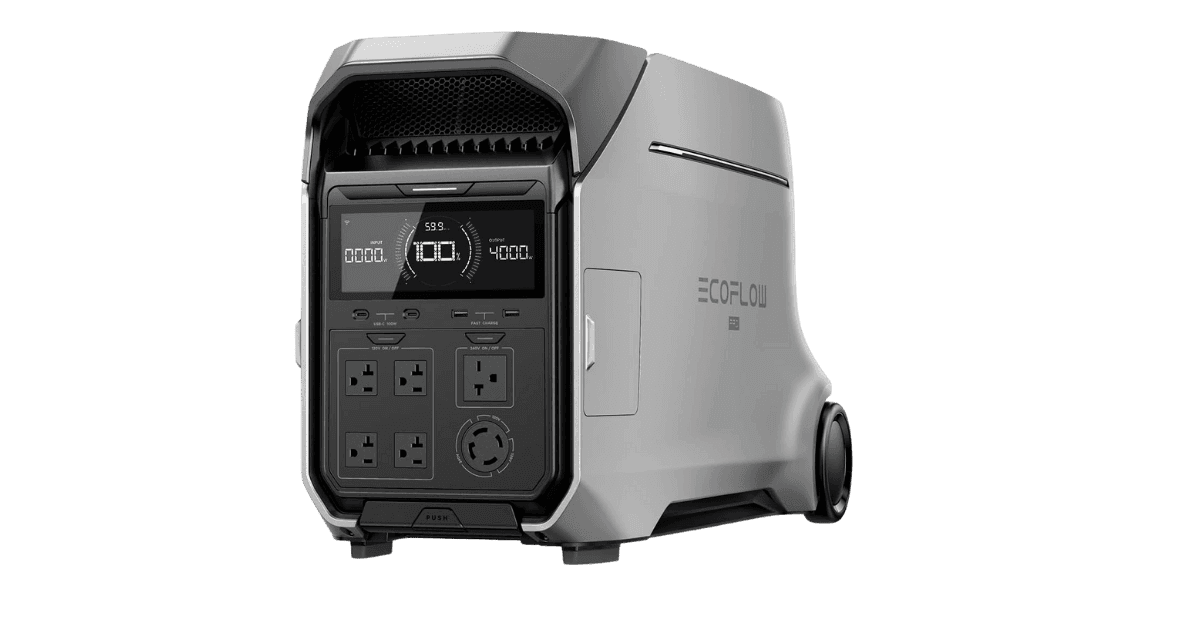
EcoFlow
4096Wh
Capacity
4000W
Output
113.5 lbs
Weight
4000+
Cycles
4096Wh expandable to 48kWh. 120V/240V dual voltage, 6000W X-Boost. IP65 rated, 30dB quiet, 10ms UPS.
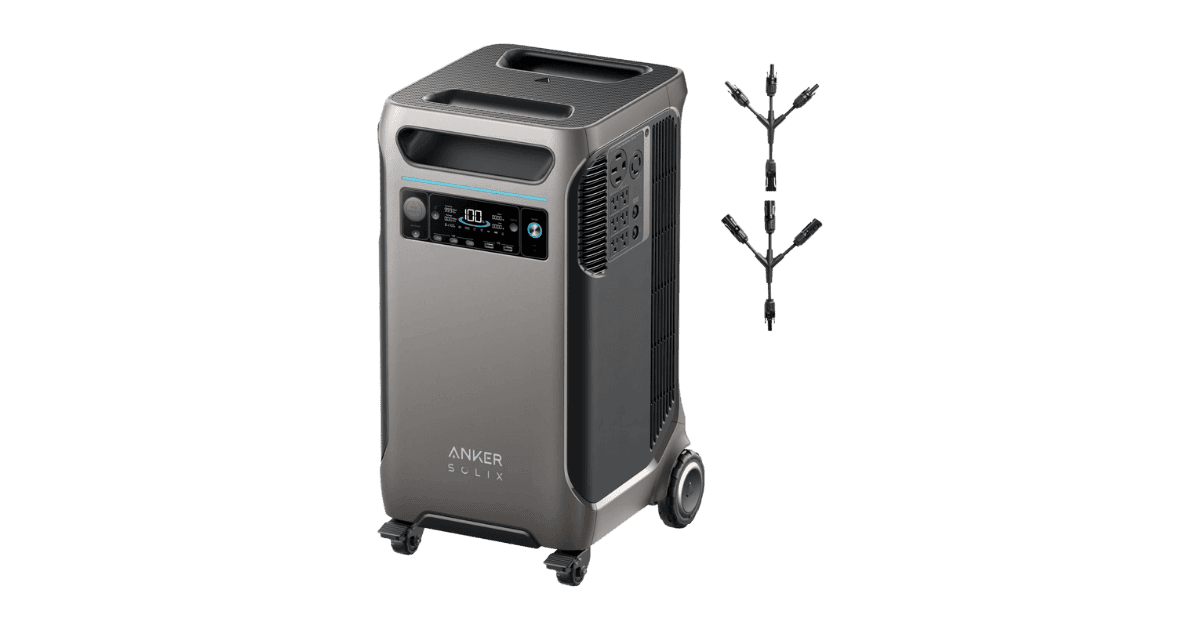
Anker
3840Wh
Capacity
6000W
Output
132 lbs
Weight
3000+
Cycles
Anker's most powerful home backup solution with NEMA 14-50 outlet.
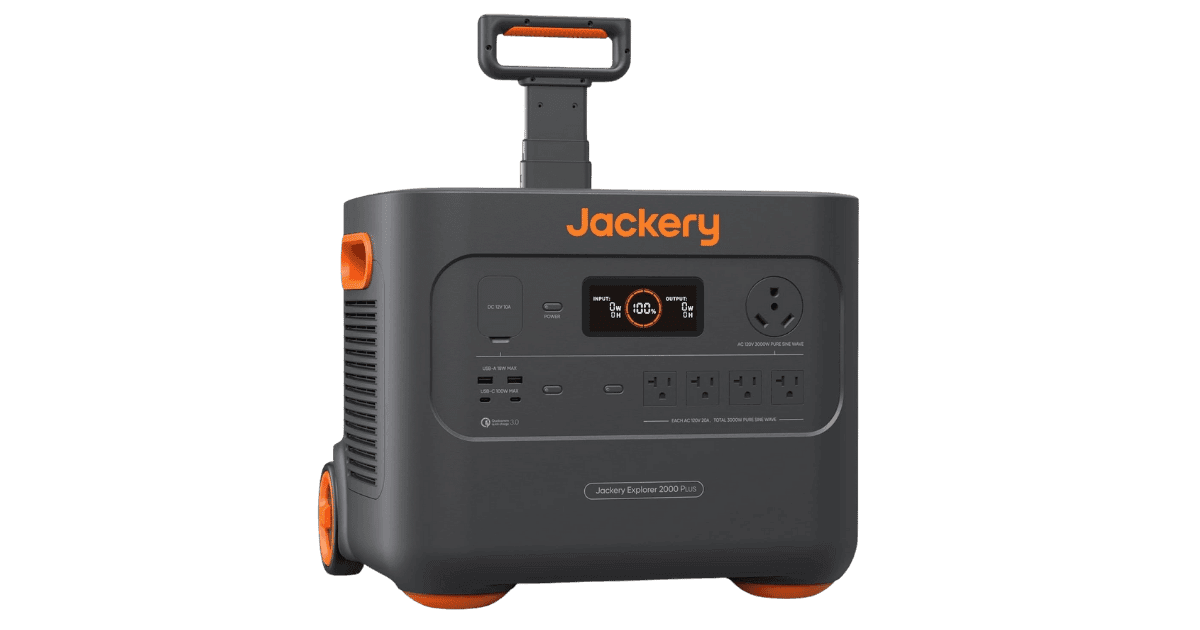
Jackery
2042Wh
Capacity
3000W
Output
60.8 lbs
Weight
4000+
Cycles
Jackery's flagship with ChargeShield technology and 10-year lifespan.
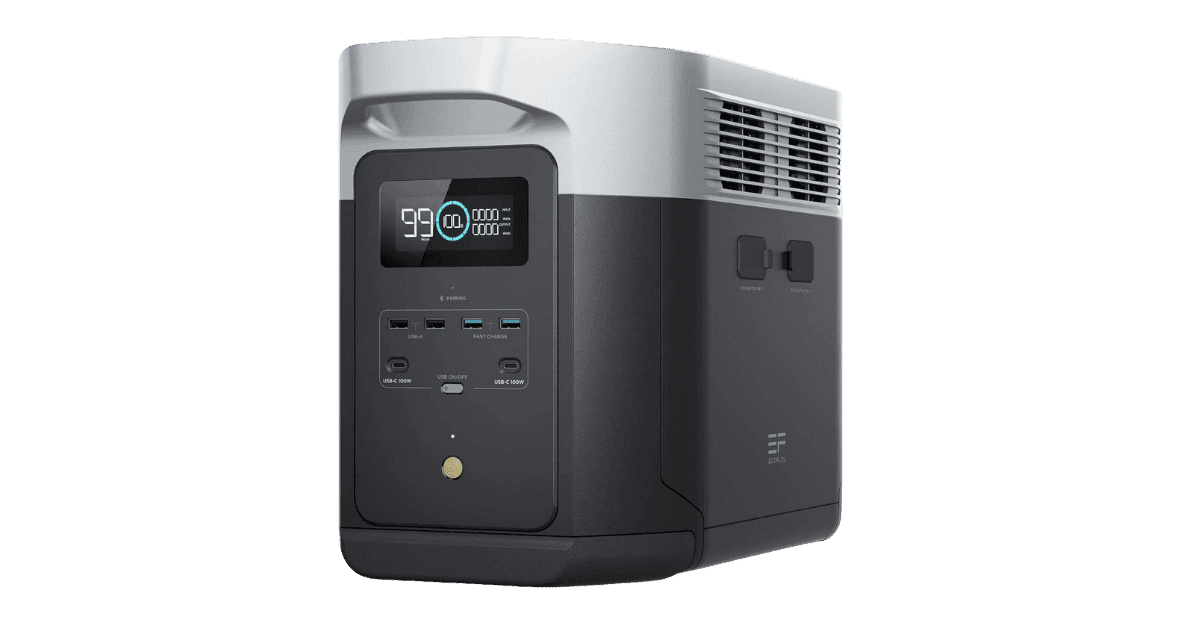
EcoFlow
2048Wh
Capacity
2400W
Output
50 lbs
Weight
3000+
Cycles
Double the capacity of DELTA 2 with expandable power for serious backup.
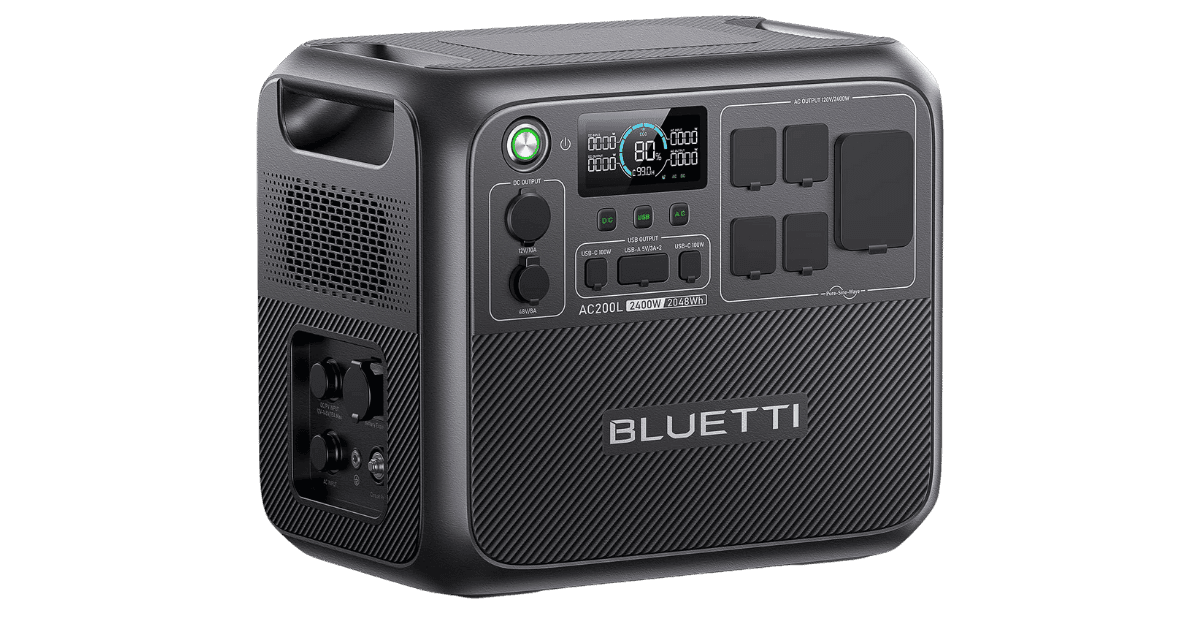
Bluetti
2048Wh
Capacity
2400W
Output
62.4 lbs
Weight
3000+
Cycles
2400W with 3600W Power Lifting. 30A TT-30 RV port, expandable to 8192Wh. 20ms UPS, WiFi/Bluetooth app.
Make your power last longer with these tips:
A well-chosen portable power station can keep your home comfortable and safe during outages lasting hours to days. The key is calculating your needs accurately and selecting a unit with sufficient capacity and output. For most homes, a 2000-3000Wh LiFePO4 unit provides excellent backup capability.
Use our calculator to find the perfect portable power station for your needs.