
Jackery Explorer 300vsEcoFlow DELTA Pro 3
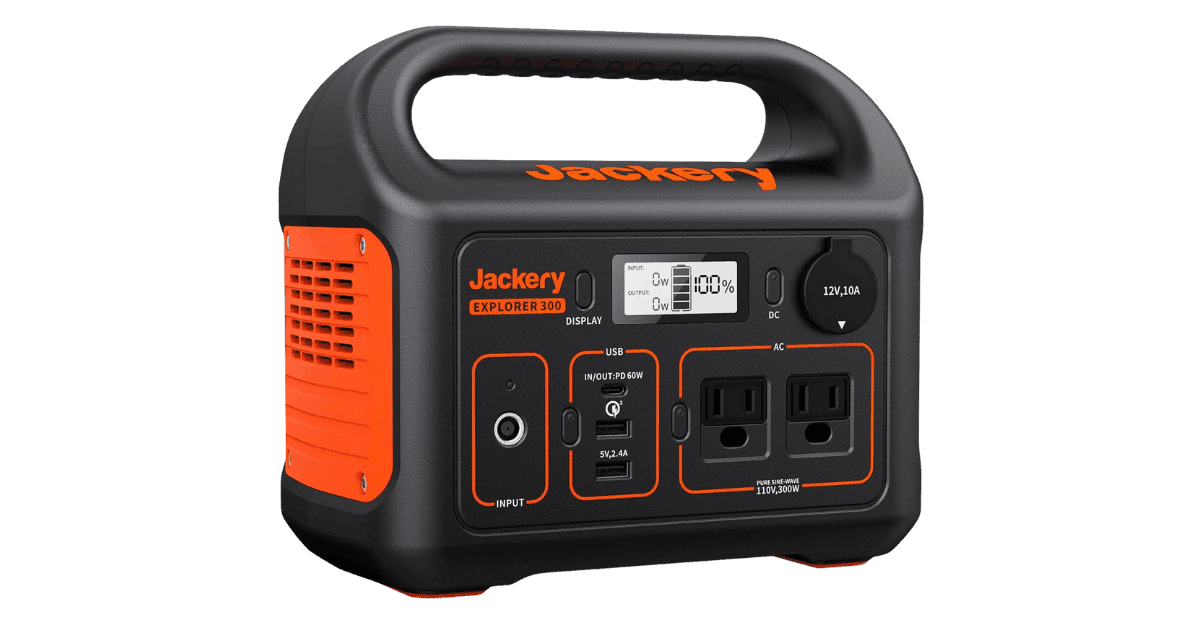
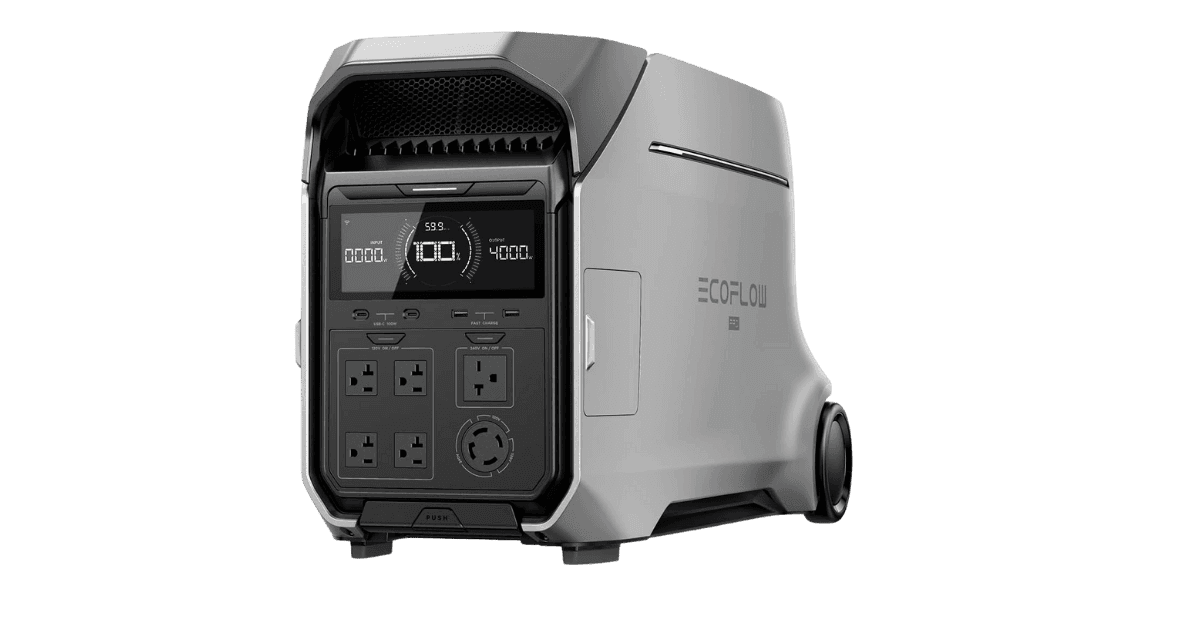
The Jackery Explorer 300 ($189) and EcoFlow DELTA Pro 3 ($2,299) sit in different price brackets, with a $2,110 gap between them. Is the EcoFlow DELTA Pro 3's 4,096Wh capacity and 4,000W output worth the premium over the Jackery Explorer 300's 293Wh/300W? We compare every spec below.
Specifications Comparison
Key Differences Explained
Battery Capacity
The EcoFlow DELTA Pro 3 packs 4,096Wh — 14.0x the Jackery Explorer 300's 293Wh. That extra 3,803Wh means significantly longer runtime for appliances like mini-fridges, CPAP machines, or power tools.
Output Power
With 4,000W continuous output, the EcoFlow DELTA Pro 3 can handle heavier loads than the Jackery Explorer 300's 300W. This matters for high-draw appliances like microwaves, hair dryers, or power tools that demand consistent wattage.
Battery Technology
The EcoFlow DELTA Pro 3 uses LiFePO4 (lithium iron phosphate) chemistry, which offers superior thermal stability and typically 3,000+ charge cycles. The Jackery Explorer 300 uses Li-ion, which may offer higher energy density but typically fewer total cycles. For daily use, LiFePO4 delivers better long-term value.
Cost per Watt-Hour
At $0.56/Wh, the EcoFlow DELTA Pro 3 offers 13% better value per watt-hour than the Jackery Explorer 300 ($0.65/Wh). This metric helps you understand the raw cost of stored energy, regardless of other features.
Portability
At 7.1 lbs, the Jackery Explorer 300 is 106.4 lbs lighter than the EcoFlow DELTA Pro 3 (113.5 lbs). For camping, tailgating, or emergency kits where you need to carry your power station, that weight difference adds up quickly.
The Bottom Line
The EcoFlow DELTA Pro 3 wins 4 out of 7 comparison categories against the Jackery Explorer 300's 3. It stands out with 4,096Wh capacity and 4,000W output at $2,299. However, the Jackery Explorer 300 may still be the better choice if budget is your top priority.
Choose Jackery Explorer 300 if...
- Budget is a priority — save $2,110 compared to the EcoFlow DELTA Pro 3
- Portability matters — at 7.1 lbs, it's 106.4 lbs lighter
Choose EcoFlow DELTA Pro 3 if...
- You need maximum battery capacity — 4,096Wh gives you 1298% more runtime than the Jackery Explorer 300
- You need to power high-wattage appliances up to 4,000W
- You want the safest, longest-lasting LiFePO4 battery chemistry
- Long-term durability is important — 4,000 cycle lifespan