Disclosure: We may earn a commission from Amazon links on this page. This helps support our independent testing.
Understand the key differences between LiFePO4 and Li-ion batteries in portable power stations. Learn which battery type is best for your needs.
When shopping for a portable power station, you'll encounter two main battery types: Lithium Iron Phosphate (LiFePO4) and traditional Lithium-ion (Li-ion, usually NMC chemistry). Understanding the differences can save you money and help you make the right choice for your use case.
Let's compare the true cost of ownership:
LiFePO4 Example: $1,000 unit ÷ 3,000 cycles = $0.33 per cycle
Li-ion Example: $700 unit ÷ 600 cycles = $1.17 per cycle
Despite the higher upfront cost, LiFePO4 typically costs 3-4x less per cycle over its lifetime.
Choose LiFePO4 if you:
Choose Li-ion if you:
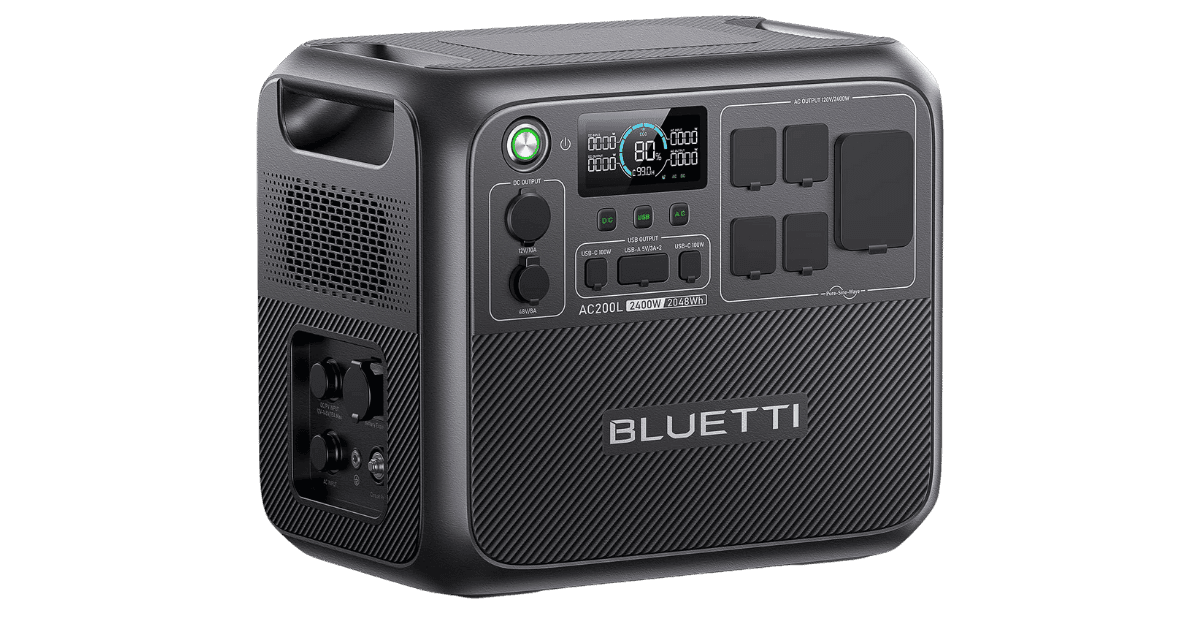
Bluetti
2048Wh
Capacity
2400W
Output
62.4 lbs
Weight
3000+
Cycles
2400W with 3600W Power Lifting. 30A TT-30 RV port, expandable to 8192Wh. 20ms UPS, WiFi/Bluetooth app.
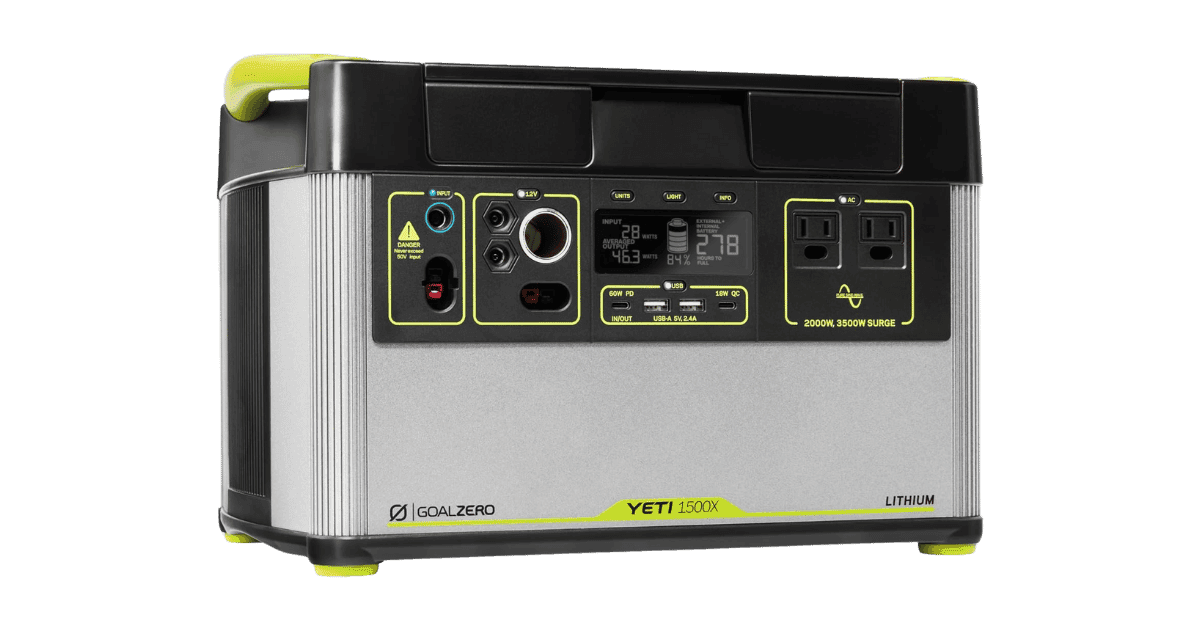
Goal Zero
1516Wh
Capacity
2000W
Output
45.6 lbs
Weight
500+
Cycles
The premium choice for outdoor enthusiasts who demand reliability.
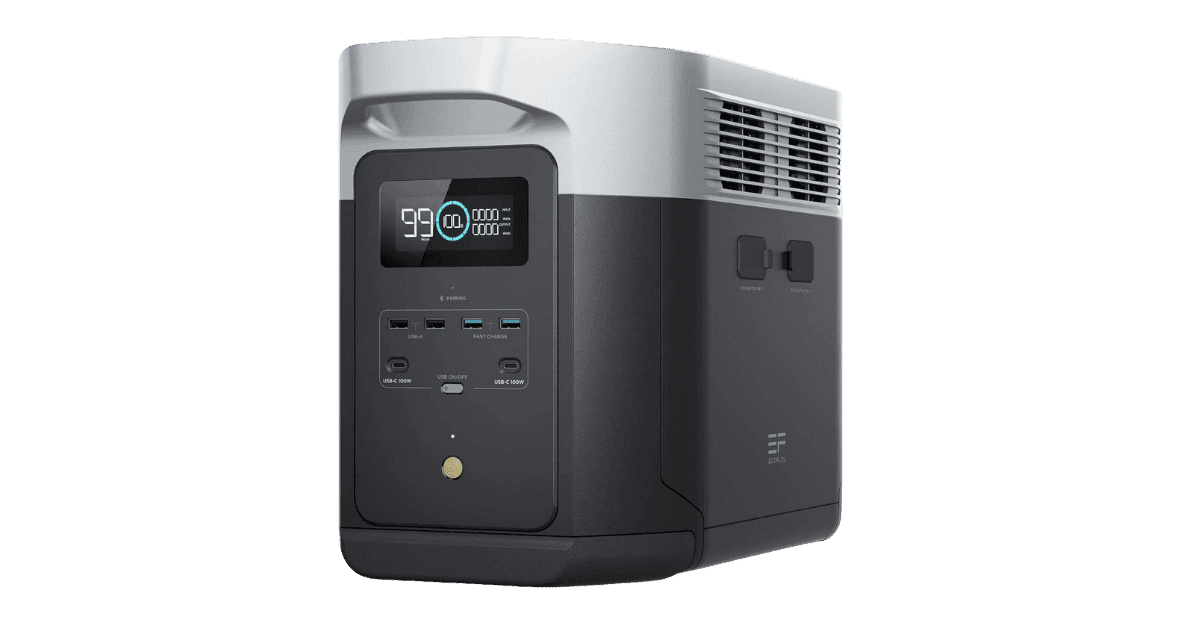
EcoFlow
2048Wh
Capacity
2400W
Output
50 lbs
Weight
3000+
Cycles
Double the capacity of DELTA 2 with expandable power for serious backup.
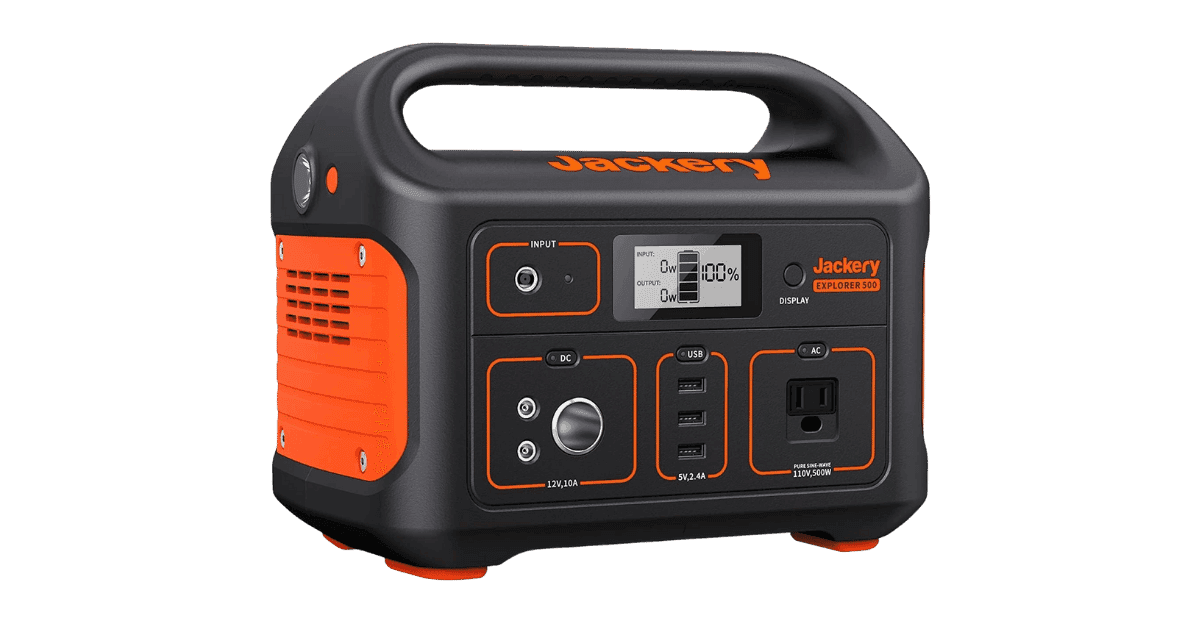
Jackery
518Wh
Capacity
500W
Output
13.3 lbs
Weight
500+
Cycles
A reliable mid-size option for camping and light backup needs.
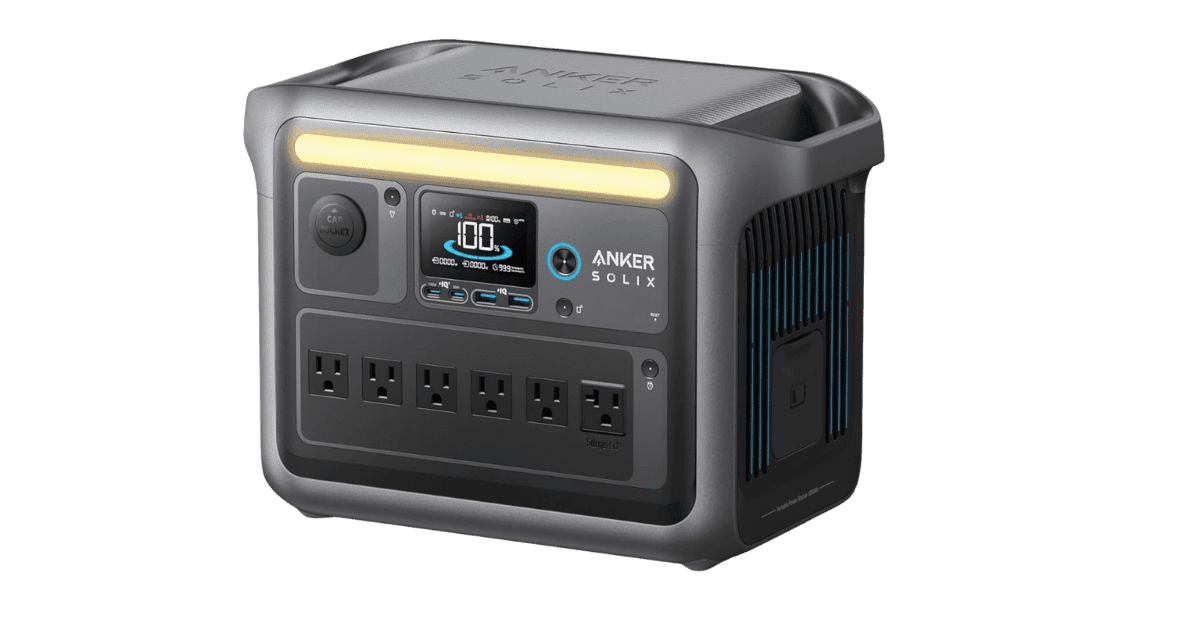
Anker
1056Wh
Capacity
1800W
Output
27.9 lbs
Weight
3000+
Cycles
Best value in its class. Anker quality at an unbeatable price.
For most users, especially those buying for home backup or regular use, LiFePO4 is the better long-term investment. The superior cycle life more than compensates for the higher initial cost. However, if you're an ultralight backpacker or occasional user, Li-ion's weight advantage may be worth the trade-off.
Use our calculator to find the perfect portable power station for your needs.